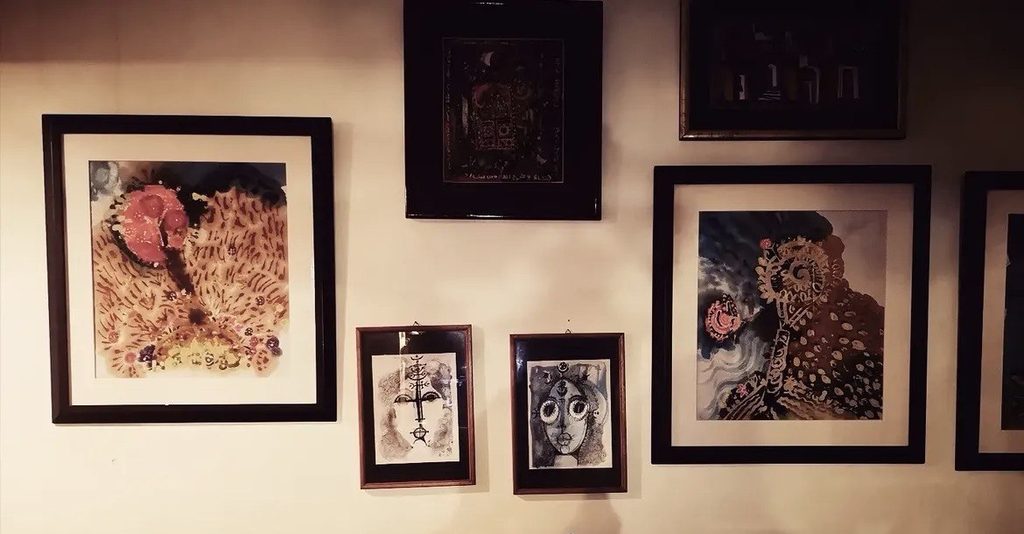
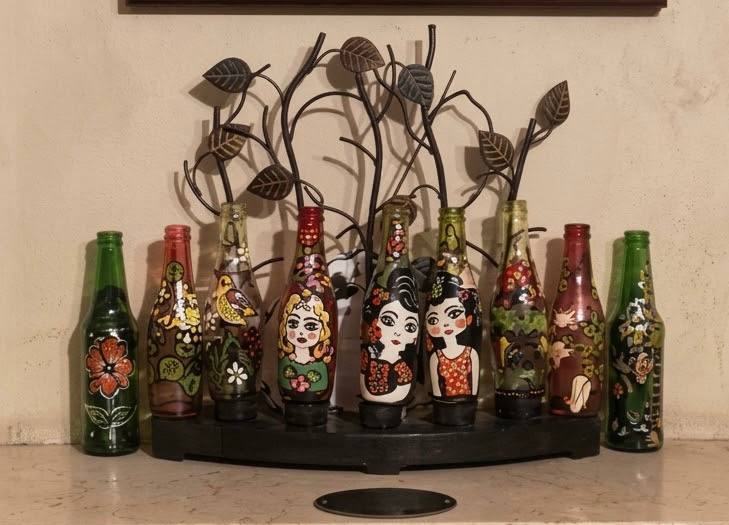
ادرك الان حين اعود الى الوراء ان واحدا من اهم الامتيازات الي حصلت عليها في السنوات السابقة هو انني لم اكن بحاجة الى تذكرة دخول لاحد معارض هنادي رضوان. لقد كنت احمل تذكرة خاصة لزيارة معرضها القائم دائما في شقتها في القاهرة .. بيت الفنان لوحة, و هذا ما كان عليه الامر مع هنادي التي صنعت من شقتها عالمها الخاص الذي لم يكن بحاجة الى اذن من منظمة او مؤسسة او قاعة عرض..فعلقت لوحاتها على الجدران، و رسمت زخرفاتها على الاواني و القناني الفارغة. و كان هناك في كل زاوية تقريبا عمل فني اشتغلته ليملأ الفراغ في المكان.
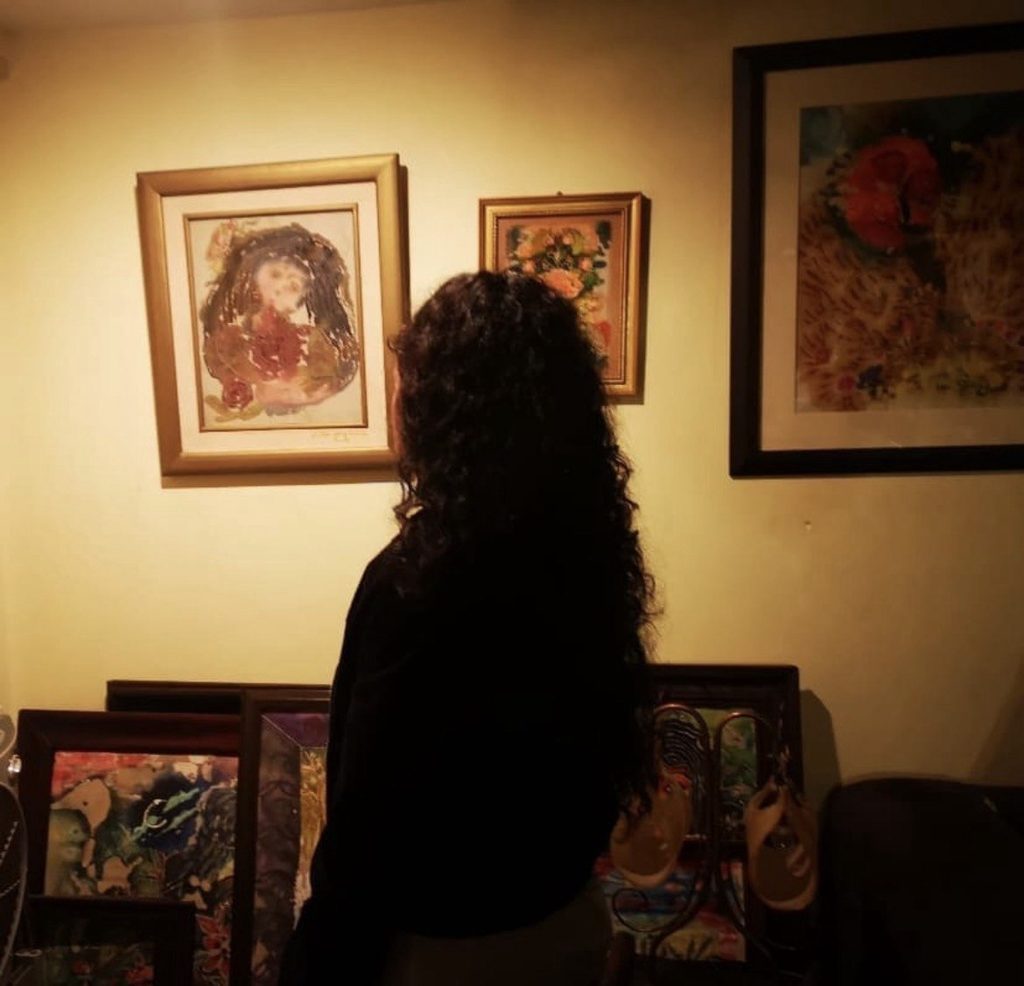
كتبت في ما سبق عن هنادي الكاتبة، التي رحلت تاركة مجموعة قصصية واحدة. و اليوم حين اعود الى ارشيفي, اجد ان لدي مجموعة صور للوحاتها في شقتها اعدها اليوم من اثمن ما سأتركه هنا في فضاء الانترنت. لوحات اغلبها تركيبية من عدة عناصر او كما كانت تصفها ( اعادة تدوير للحياة )
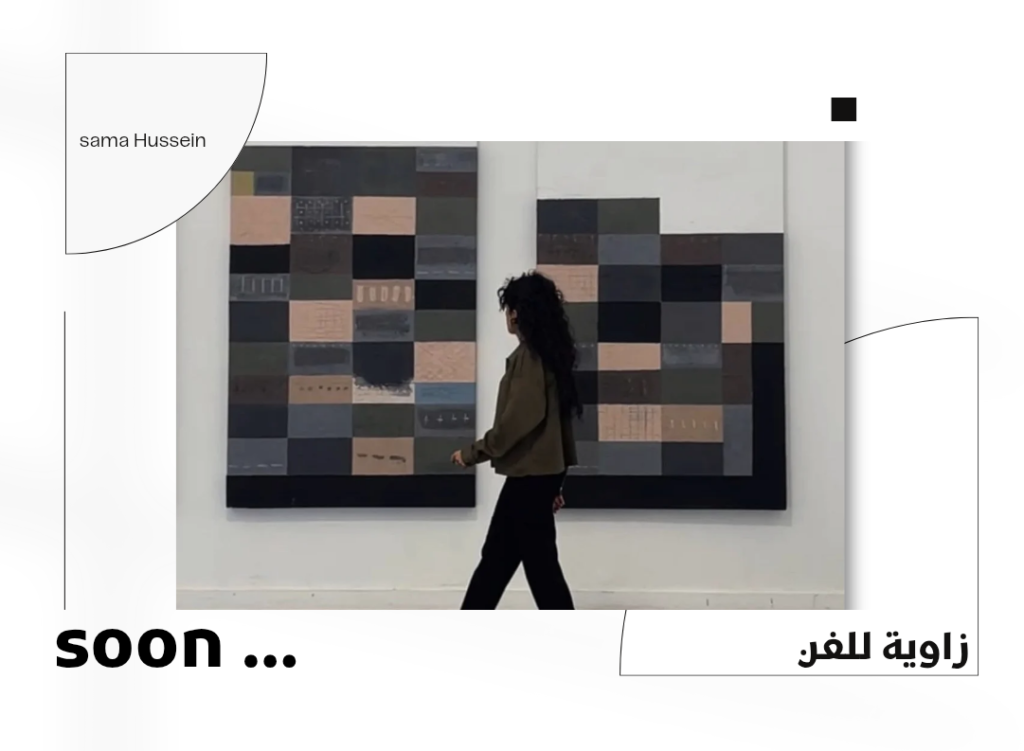
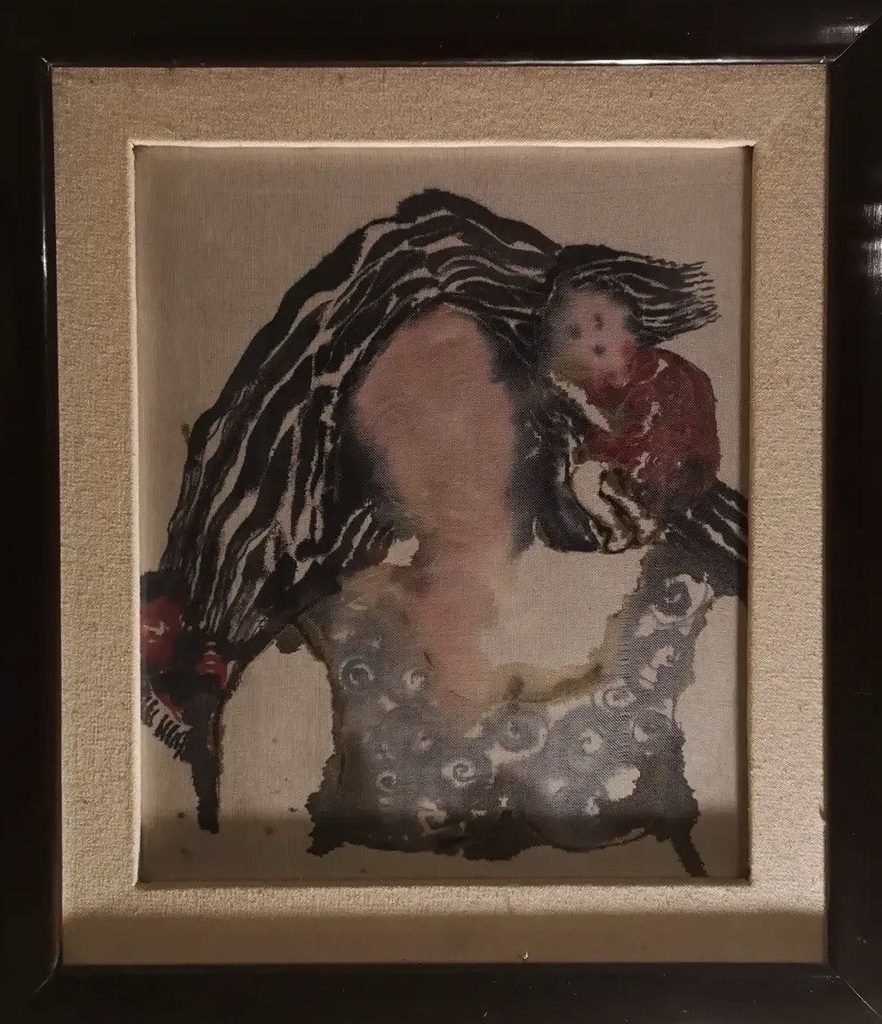
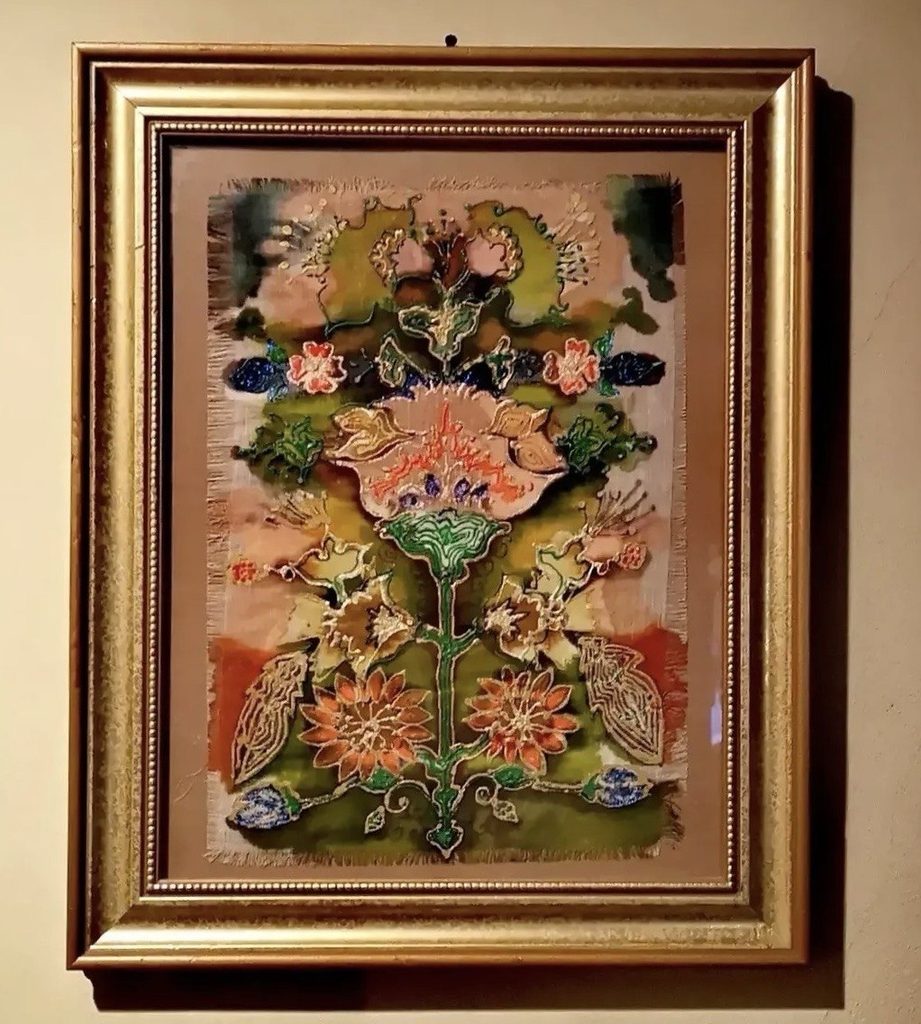
وجدت هنادي في الباتيك ضالتها. و الباتيك تقنية تقوم على الرسم بالشمع فوق القماش، ثم صبغه على مراحل، بحيث يحمي الشمع أجزاء من النسيج من اللون، قبل أن يُزال الشمع في النهاية بماء مغلي و يبقى اللون. اي انها لم تستخدم الادوات المطروقة لاي فنان. كما لم تتعامل مع الباتيك كتقنية آسيوية فحسب؛ أخذته إلى مكانها، إلى مصر، واستعملته لصناعة عالم بصري يستند إلى الفن الشعبي و ادواته : القماش و الشمع “
الباتيك بحد ذاته عملية انتاج طويلة, و شخص واحد كان المصنع الذي ينتج عشرات القطع بهدوء و روية, و من دون استعجال. يد تجرب و تعمل, ثم تنتظر القطعة ان تبلغ تكوينها الاخير.
كما انها رسمت الحروف و الدواوين الشعرية لتقدم اغلفة كتب اصدقائها الى القراء بطريقتها العفوية و المبهجة. حتى حين عاصرت المرحلة التي دخلت فيها صناعة الاغلفة مرحلة رقمية بالكامل تقريبا. اعتمدت هنادي على المادة الخام :يدها, و الالوان و الاقمشة. اي على ما يمكن لمسه و الاحتفاظ به و ادراجه ضمن الموجودات في العالم الذي ندوسه. مع حرص غريب على ابقاء المادة كما هي, بدون تغيير هويتها المخلوقة منها.
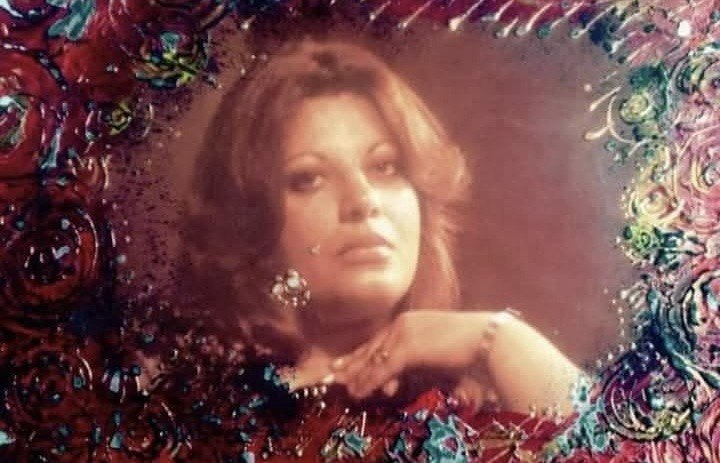
ولدت هنادي في مصر، في الفترة التي كانت فيها القاهرة تتشكل من جديد. نشأت بين السيدة زينب ومصر الجديدة والدقي، على اطلال البيوت القديمة وعمارة القاهرة وتفاصيلها الشعبية. وربما لهذا ظلت الأمكنة حاضرة بقوة في أعمالها؛ تلك البيئة التي كانت تنمو عبر ثلاث ثورات في مصر من البيوت الى الاشخاص و حتى الكائنات الغير حية. كانت في حنين دائم الى وطنها رغم انها تعيش في قلبه الذي بدء يضخ الدم بلون مختلف. و مع ذلك, كانت تقول دائما : ان الاشياء ستغدو افضل”
ربما كان هذا هو سر تجربتها كلها. انها مفتوحة على جميع الاحتمالات فالقماش لوحة, و الشمع علبة تلوين و القنينة كانفاس، و البيت كله معرض. وانها و هذا البت كانوا شواهد على زمن طويل من مصر، وعلى تحولات الحياة والفن فيها… فتركت يدها على الأشياء التي مرت بها؛ و نقلتها كما عرفتها لا كما قال الناس عنها.
هذه هنادي كما اعرفها, و التي سمعت خبر وفاتها في ٢٠٢٣, اي بعد مغادرتي القاهرة بفترة. منذ ذلك الحين كلما عدت الى تلك التفاصيل الصغيرة التي بقيت في ذاكرتي من بيتها, اشعر اني لم اغادر ذلك المعرض تماما. كانت فنانة و سيدة لا تتكرر.. تركت في ذاكرة محبيها و اصدقائها عنفوان القاهرة و صورة الام و دفئها. و تركت لي اعمالا و حكايات تنظر الي من الصور, وسؤالًا لا أعرف إن كان له جواب:
هل كانت هنادي تصنع حياة أخرى في فنها .. حياة سابقة قامت بتحنيطها ؟أم أنها كانت تحاول أن تفهم واقعا كبر على نحو خاطئ، وانتهى إلى نتيجة لم يكن أحد يتوقعها؟
كتابة : سما حسين
الصور : لوحات و اعمال الفنانة التشكيلية هنادي رضوان من بيتها في القاهرة
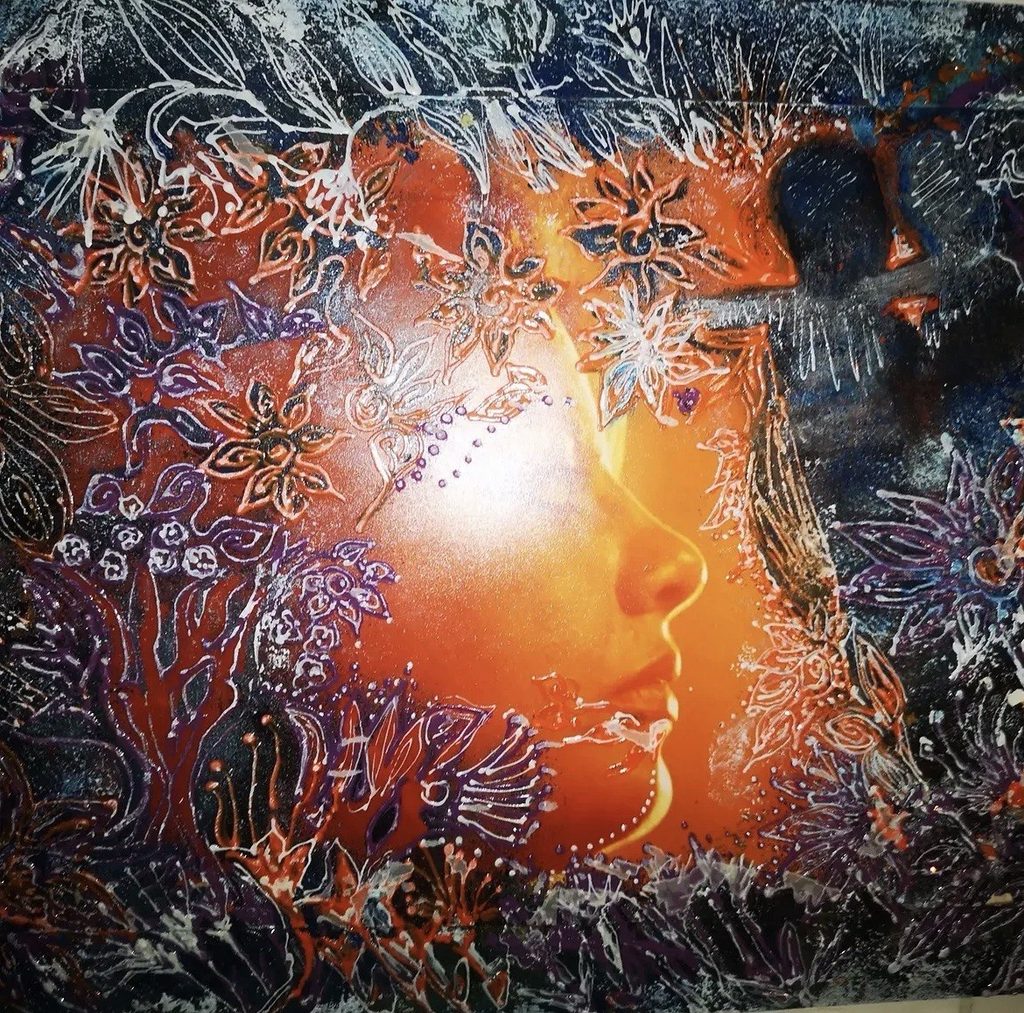
يمكنك الاطلاع على لوحات و كتابات الفنانة على صفحتها في فيسبوك : https://www.facebook.com/share/1H7tqcdn96/?mibextid=wwXIfr
شاهد ايضا مقابلة هنادي رضوان في برنامج حكايتي مع المكان : https://youtu.be/60aVV0HqxdA?si=yDHhWpHbo2K5JZlY
english
Hanady Radwan: Another Life | Cairo
I realize now, looking back, that one of the greatest privileges I had in the past few years was that I never needed a ticket to enter any of Hanady Radwan’s exhibitions. I carried a special ticket to visit her exhibition, which was always open in her apartment in Cairo.An artist’s home is a painting, and that was exactly the case with Hanady, who turned her apartment into her own world, one that needed no permission from an organization, institution, or gallery. She hung her paintings on the walls and painted her ornaments onto dishes and empty bottles, and there was, in almost every corner, a work of art she had made to fill the empty space
I previously wrote about Hanady the writer, who left behind only one short-story collection. Today, when I return to my archive, I find that I have a collection of photographs of her paintings in her apartment, which I now consider among the most precious things I will leave behind here in the digital space.Most of the paintings were assemblages made of several elements, or, as she described them, “recycling life
Hanady found what she was looking for in batik. Batik is a technique based on drawing with wax onto fabric, then dyeing it in stages, with the wax protecting parts of the fabric from the color before it is eventually removed with boiling water, leaving the color behind. In other words, she did not use the conventional tools of an artist. Nor did she treat batik simply as an Asian technique; she brought it into her own place, into Egypt, and used it to create a visual world rooted in folk art and its materials: fabric and wax.Batik itself is a long process of production, and one person was the factory producing dozens of pieces quietly, patiently, and without haste.A hand experiments and works, then waits for the piece to reach its final composition
She also drew letters and lines of poetry to create book covers for her friends and offer their books to readers in her own spontaneous and joyful way. Even as she witnessed the period when book-cover design entered an almost entirely digital phase, Hanady relied on raw materials:her hands, colors, and fabrics.On what could be touched, preserved, and incorporated into the objects of the world we walk through. With a peculiar care to leave the material as it was, without altering the identity from which it was created
Hanady was born in Egypt, during a period when Cairo was taking shape in the consciousness of an entire generation. She grew up between Sayeda Zeinab, Heliopolis, and Dokki, among the remains of old houses, Cairo’s architecture, and its popular details. Perhaps this is why places remained so present in her work; that environment that grew through three revolutions in Egypt, from houses to people, and even to inanimate things.She was always nostalgic for her homeland, despite living at its very heart, watching it begin to pump blood of a different color. And yet, she would always say: Things will get better
Perhaps this was the secret of her entire experience. That she remained open to all possibilities.Fabric was a painting, wax was a coloring tool, the bottle was a canvas, and the entire house was an exhibition.She was a witness to a long period of Egypt, and to the transformations of life and art within it… She left her hand upon the things she encountered, carrying them forward as she knew them, not as people told her they were
This is Hanady as I knew her, and I heard of her death in 2023, some time after I had left Cairo. Since then, whenever I return to those small details that remained in my memory of her home, I feel that I never truly left that exhibition.She was an artist and a woman who could not be repeated. She left in the memory of her loved ones and friends the spirit of Cairo, and the image and warmth of a mother. And she left me works and stories looking back at me from photographs, and a question I do not know if it has an answer
Was Hanady creating another life through her art… a previous life she had preserved in embalming?Or was she trying to understand a reality that had grown in the wrong direction, only to end in a result no one had expected