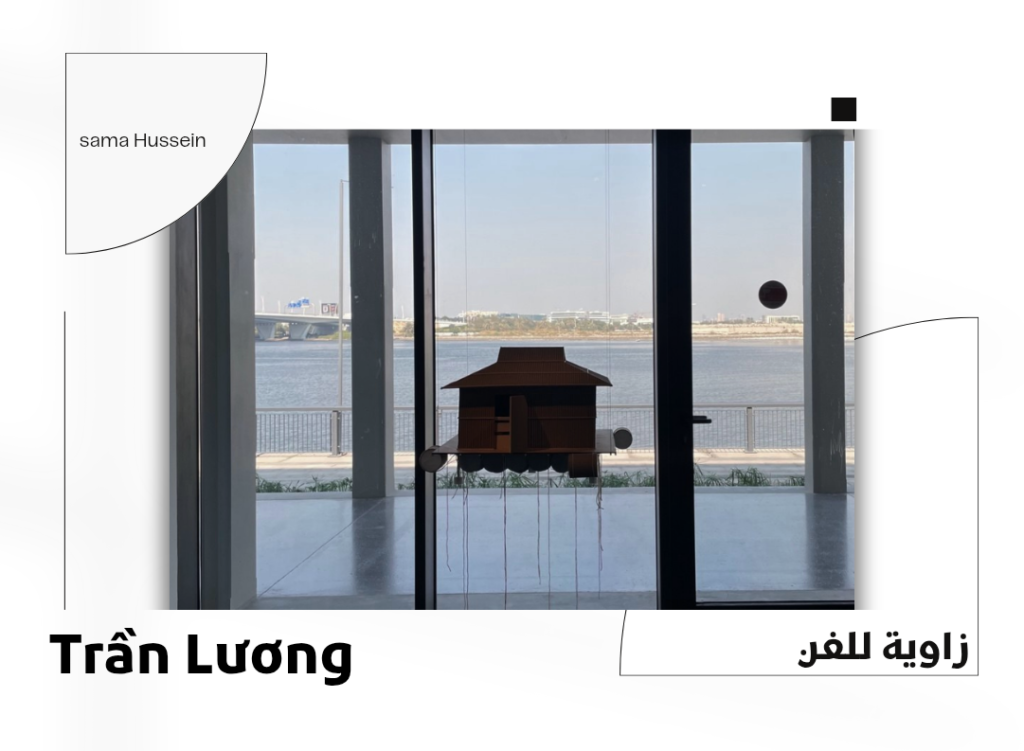
Trần Lương: Tầm Tã – Soaked in the Long Rain
كانت الأصوات مربكة في قاعة العرض. و من المقلق أن تكون في مكان كهذا، أن تحيط بك أصوات لا تعرف متى بدأت ولا متى ستتوقف كأنك تطوف في فضائها. سألت نفسي: كيف شعر الناس الذين عاشوا داخل هذه الأصوات فعلًا؟ كنت أستطيع أن أخرج من القاعة في أي لحظة. أن أبتعد عن الشاشات، و عن صور الحرب، وأعود إلى قاعات المعرض الهادئة. لكن ماذا عن الذين لم يكن لديهم باب يخرجون منه؟
اعتبر هذا المعرض واحدًا من تلك المعارض التي يصعب تكرارها لسببين. الأول أنه جعلني أشعر، ولو للحظات، كما لو أنني مشيت بنفسي إلى عالم فيتنام في ليلة حرب مظلمة. والثاني ان الادب و الفن الذي نتج بعد تلك السنوات الطويلة لم يصلنا بالشكل الكافي لندرك حجم المأساة .. المعرض جعلني أفكر في كل ما يمكن أن يضيع من الذاكرة حين تصلنا الحروب على هيئة صور مختصرة في كتب التاريخ، بينما يعيشها أصحابها كأصوات وروائح وأجساد وبيوت وطفولة لا تنتهي بانتهائها.
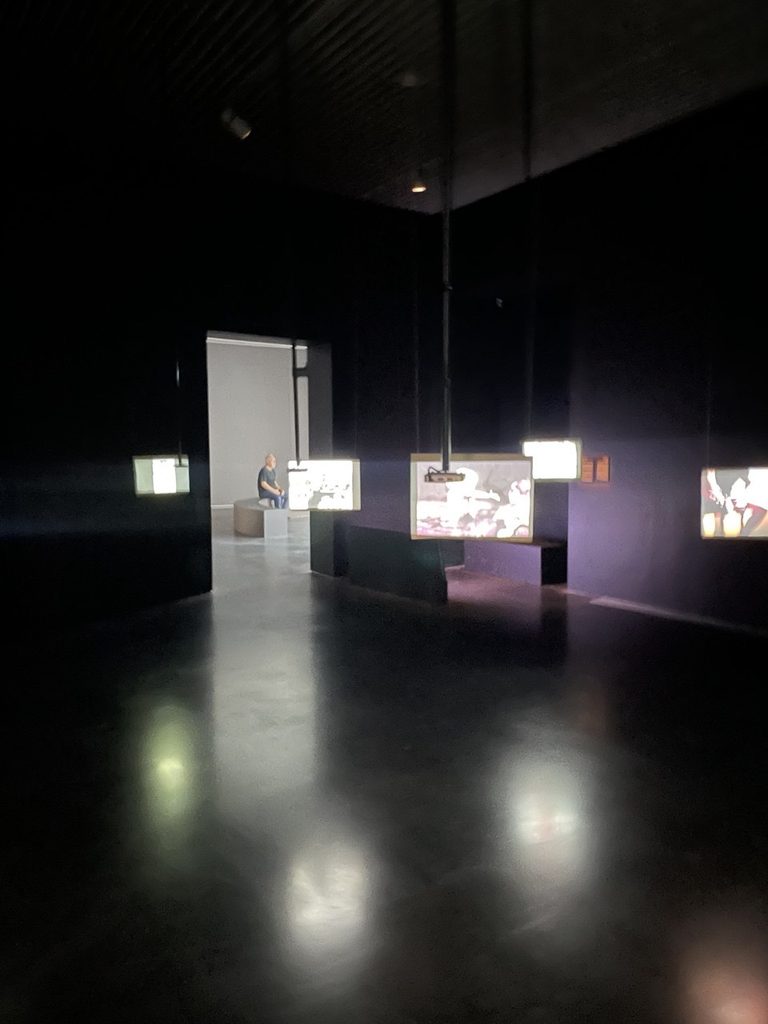
في معرض «Tầm Tã – Soaked in the Long Rain» في مركز جميل للفنون، يعود الفنان الفيتنامي تران لونغ إلى عقود طويلة من الحرب الامريكية-الفيتنامية و ما تركته في شعبه من فقر وصدمات، و ما تلاها من عقود مضطربة، ولد منها جيل غارق في العنف تحت احتلالات متعاقبة و حرب اهلية طويلة.ولد لونغ في هانوي عام 1960، وعاش طفولته في سنوات القصف الأمريكي على شمال فيتنام. لذلك لم تكن الحرب بالنسبة إليه صورة تاريخية يمكن النظر إليها من مسافة آمنة؛ كانت جزءًا من ذاكرته الشخصية، ومن الطريقة التي تعلّم بها أن يرى المكان والجسد والناس. لكن ما لفتني في أعماله أنه لا يقدم الحرب بالطريقة التي اعتدنا أن نراها بها. هناك الإنسان، وما تفعله الحرب بالإنسان.
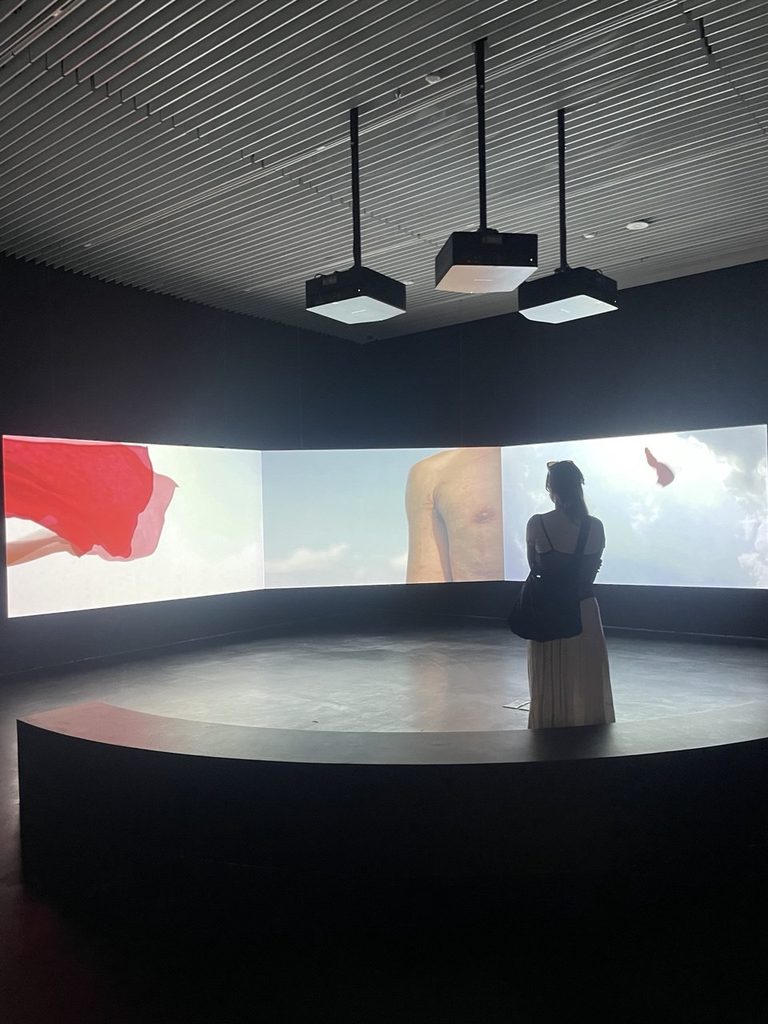
في عمله صناعة الندوب – يعيد الفنان صياغة لعبة اطفال شعبية قائمة على ضرب الخصم بقطعة قماش، عرض الفديو على ثلاث شاشات .. مشهد واحد متكرر : يضرب جسد الطفل بوشاح لا يستطيع تفاديه كما يفعل عادة في اللعبة.. كان الوشاح احمر، اشارة منه الى الرموز السياسية و الخطابات الصارمة التي لا مفر منها. في مقابلة مع الفنان شرح تران لونغ أصل الفكرة “بدأ الأمر في عام 2007 بصورة عرضية جداً، عندما عاد ابني (وكان عمره 10 سنوات حينها) من المدرسة، وصُدمت عندما رأيته يرتدي الوشاح الأحمر. ذلك الوشاح هو رمز للشباب الشيوعي، لكن المنظر أصابني بالذهول لأنه كان يشبهني تماماً عندما كنت صغيراً؛ حين كنا أطفالاً صغاراً في تلك الحقبة وفي زمن الحرب، لم تكن لدينا ألعاب أو أي وسائل ترفيه، فكنا نتصارع ونلعب بالوشاح الأحمر”.
ماذا يحدث عندما نزيل البطولة من صورة الحرب؟
لا توجد بطولة حربية في ما يقدمه لونغ. كانت البطولة هي نفسها هزيمة الناس البسطاء. مثل وجهين لعملة واحدة, الحقيقة المريعة التي لا تهم المشاهد العادي الجالس امام تلفازه. حتى الماء، الذي يتكرر في أعمال لونغ، بدا لي كأنه جزء من هذه الفكرة.
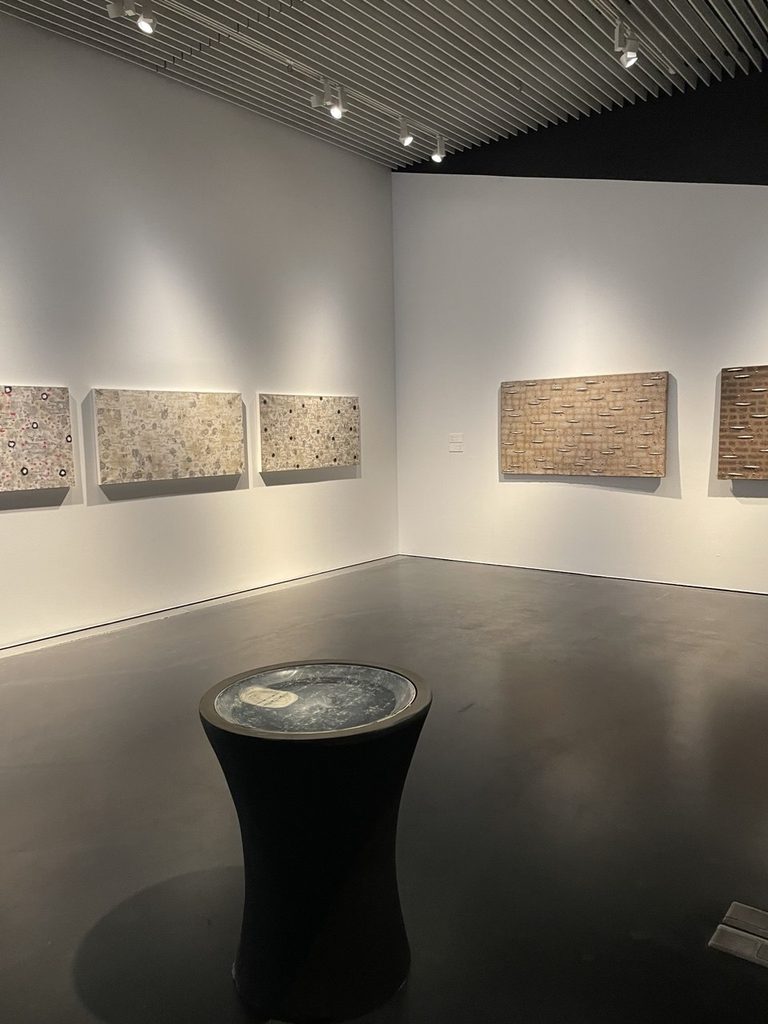
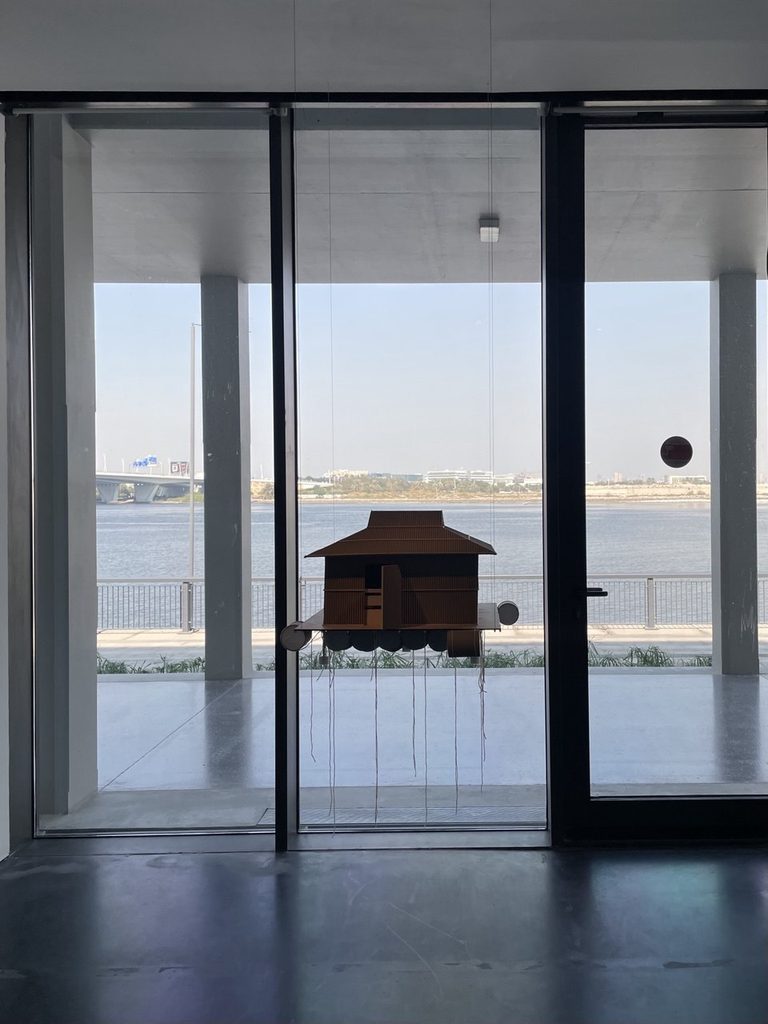
أعماله ( Flowing) تحكي ان التاريخ الفيتنامي ليس خطا مستقيما, بقدر ما هو تيار لا يتوقف .. يتدفق بين النجاة و الغرق.. يحمل معه اشياء، ويغرق أشياء أخرى. والتفصيل الجميل جدًا ان الفنان أشار إلى أن كلمة “الماء” في الفيتنامية مرتبطة أيضًا بمعنى “البلد/الوطن”.وهناك أعمال أخرى في المعرض تنقلنا من الحرب إلى العمل والجسد والطبقات الاجتماعية.
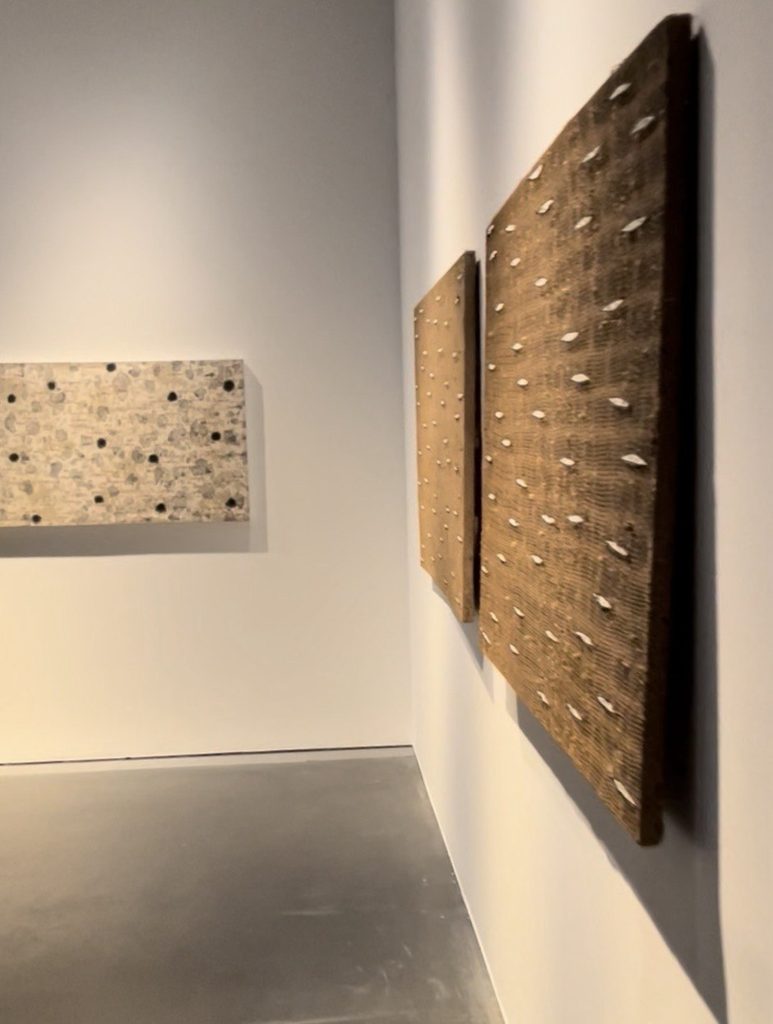
في (Steam Rice Man، ) مثلًا، يستخدم لونغ جسده وعناصر مرتبطة بالفحم والأرز ليقترب من حياة العمال ومن العلاقة بين الأرض والعمل والزمن. اي, مقارنة الزمن الذي يحتاجه الفحم لكي يتشكل، بالزمن الذي يحتاجه الأرز لكي ينمو.
كلما مشيت في المعرض شعرت أن تران لونغ لا يحاول أن يخبرني ماذا حدث في فيتنام. بل ماذا بقي ؟ لأنني لم أكن أستطيع أن أتعامل مع اعماله كصورة على شاشة. كانت تأتي من حولي، وتملأ المكان، وتجعل الحرب شيئًا حاضرا كما هي حاضرة في حياته حتى الان.
كتابة و صور : سما حسين
مكان المعرض : مركز جميل للفنون ـ الإمارات العربية المتحدة ـ ٢٠٢٥
اضغط الرابط لمشاهدة فديو في المعرض, يوثق التجربة الصوتية و البصرية بشكل اوضح : https://www.instagram.com/reel/DO6goqTjTzt/?stkn=M3l0ZTg2a3dncms0
english
Trần Lương:Trần Lương: Tầm Tã – Soaked in the Long Rain
The sounds in the exhibition hall were unsettling. It was disturbing to be in a place like this, surrounded by sounds that you do not know when they began or when they will stop, as if you are drifting through their space. I asked myself: how did the people who actually lived inside these sounds feel
I could leave the hall at any moment. I could move away from the screens and the images of war, and return to the quiet exhibition rooms. But what about those who had no door through which to leave
I consider this one of those exhibitions that are difficult to repeat for two reasons. The first is that, even for a few moments, it made me feel as though I had walked myself into the world of Vietnam on a dark night of war. The second is that the literature and art produced after those long years have not reached us enough for us to understand the scale of the tragedy. The exhibition made me think about everything that can be lost from memory when wars reach us as brief images in history books, while those who lived them experience them as sounds, smells, bodies, homes, and childhoods that do not end when the war ends
In Tầm Tã – Soaked in the Long Rain at Jameel Arts Centre, Vietnamese artist Trần Lương returns to the long decades of the American-Vietnam War and what it left behind in his people of poverty and trauma, and to the troubled decades that followed, from which a generation was born, immersed in violence, under successive occupations and a long civil war.Born in Hanoi in 1960, Lương lived his childhood during the years of American bombing in North Vietnam. War, therefore, was not a historical image that could be viewed from a safe distance; it was part of his personal memory, and part of the way he learned to see place, the body, and people.But what struck me about his work is that he does not present war in the way we are accustomed to seeing it.There is the human being, and what war does to the human being.
In Making Scars, the artist reworks a popular children’s game based on hitting an opponent with a piece of cloth. The video is displayed across three screens, showing one repeated scene: the child’s body is struck with a scarf that he cannot avoid, unlike the usual way the game is played.The scarf was red, a reference to political symbols and rigid political rhetoric that cannot be escaped.In an interview with the artist, Trần Lương explained the origin of the idea:«“It started in 2007 in a very accidental way, when my son, who was ten years old at the time, came home from school. I was shocked when I saw him wearing the red scarf. That scarf is a symbol of Communist youth, but the sight struck me because he looked exactly like me when I was young. When we were little children in that period and during the war, we had no toys or any means of entertainment, so we would wrestle and play with the red scarf
What happens when we remove heroism from the image of war
There is no war heroism in what Lương presents. The heroism itself was the defeat of ordinary people. Two sides of the same coin: the terrible truth that does not matter to the ordinary viewer sitting in front of their televisions
Even water, which recurs throughout Lương’s work, seemed to me to be part of this idea. His Flowing works tell us that Vietnamese history is not a straight line, but rather an endless current… flowing between survival and drowning, carrying things with it and drowning other things.
And the very beautiful detail is that the artist has pointed out that the Vietnamese word for “water” is also connected to the meaning of “country” or “homelad
There are other works in the exhibition that take us from war to labour, the body, and social classes.In Steam Rice Man, for example, Lương uses his body and elements connected to coal and rice to approach the lives of workers and the relationship between land, labour, and time. That is, a comparison between the time coal needs to form and the time rice needs to grow
The more I walked through the exhibition, the more I felt that Trần Lương was not trying to tell me what happened in Vietnam.But rather, what remained? Because I could not treat his works as an image on a screen. They came from all around me, filled the space, and made war something present, just as it remains present in his life even now
Writing and photographs: Sama Hussein
Exhibition venue: Jameel Arts Centre — United Arab Emirates — 2025Click the link to watch a video from the exhibition, documenting the visual and sonic experience more
https://www.instagram.com/reel/DO6goqTjTzt/?stkn=M3l0ZTg2a3dncms0: