Note: For the English version of the article, please scroll down
في صباح لندني رمادي اخذتني كاثرين (و التي لعبت دور مرشدتي الثقافية المذهلة في ذلك اليوم ) للتجوال في لندن في يومي الاول فيها .. كنت محظوظة لانها لم تقل هذا برج لندن و هذا مسرح شكسبير فحسب، بل حكت لي القصص الشعبية و التاريخية وراء كل مبنى و شارع، كما لو اني كنت اسير برفقة فيلم حي. و بالمقابل كنت احكي لكاثرين قصة امرأة، كنت قد بدأت الكتابة عنها و هربت منها الى بريطانيا. و بالطبع، حين تحكي عن امرأة ما في اي مكان في العالم ستجد جوارك امرأة اخرى، تعرف امرأة اخرى بنفس المصير. حيث تحدثت كاثرين عن رواية كتبتها تتناول ثلاث اجيال من النساء اليونانيات في ثمانينات القرن الماضي. قصص مثل خيوط بدأت تتشابك لتصبح كرة واحدة بشكل واحد.
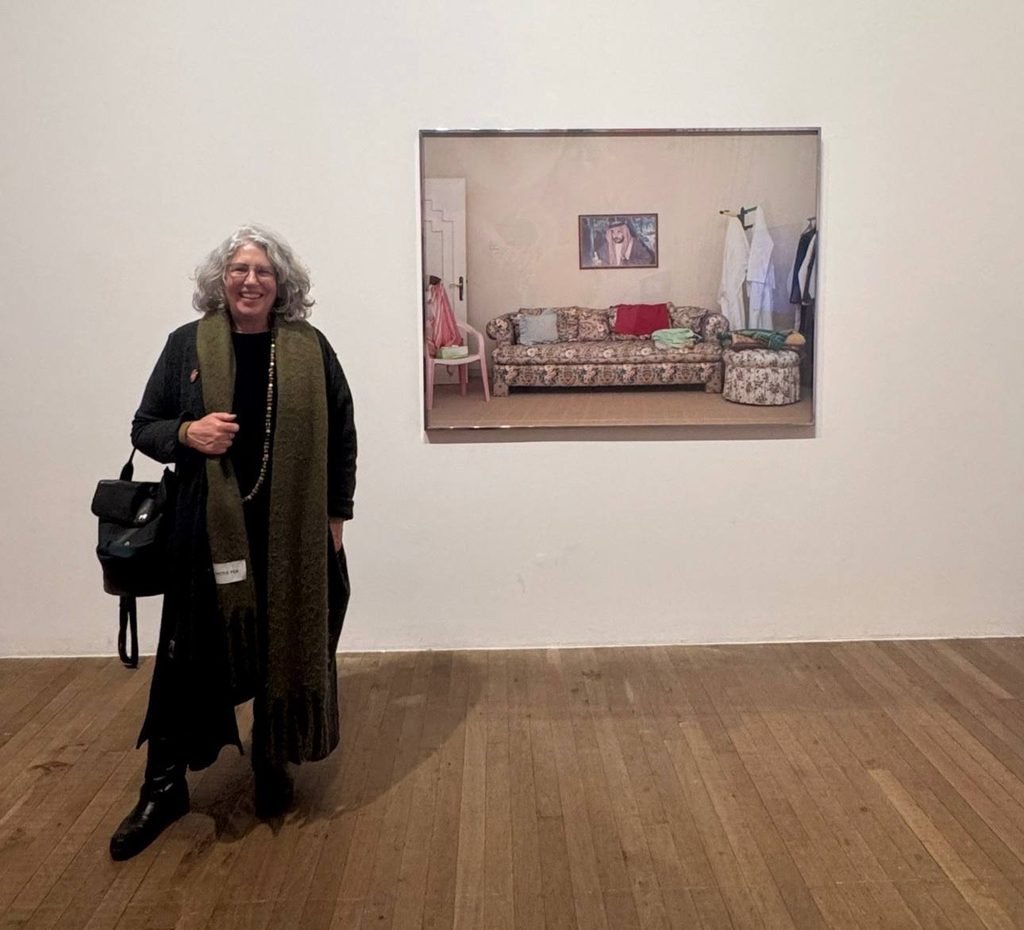
وصلنا الى معرض ( تيت مودرن ) و اتفقنا ان نأخذ جولة سريعة، ثم بعد دقائق وقفت كاثرين امام لوحة لفتاة عربية و قالت بفرح : ها قد عثرنا على المرأة التي كنا نتحدث عنها ! “
ذهلت من الصورة, بين عشرات الاعمال المعروضة, و بالصدفة.. عثرنا على الشخصية التي حكيت لكاثرين عنها قبل دقائق من دخولنا القاعة ! المرأة ذاتها.. بشعرها و ثوبها و ديكور غرفتها.. كنت قد اسرفت بشرح تفاصيلها لكاثرين لدرجة انها استطاعت ان تتخيل ما كنت احكيه بمجرد ان رأت الصورة معلقة على الجدار. قالت كاثرين : سألتقط لك صورة معها، ربما بعد مدة ستحتاجين اليها ” كانت اللقطة معها تشبه لحظة عثورك على الشكل الملائم للكلمة. لم اعرف حتى الآن كيف اصف شعور ان تجد امامك فوتغراف لشخصية كنت تعتقد انها عالقة في رأسك وحدك.
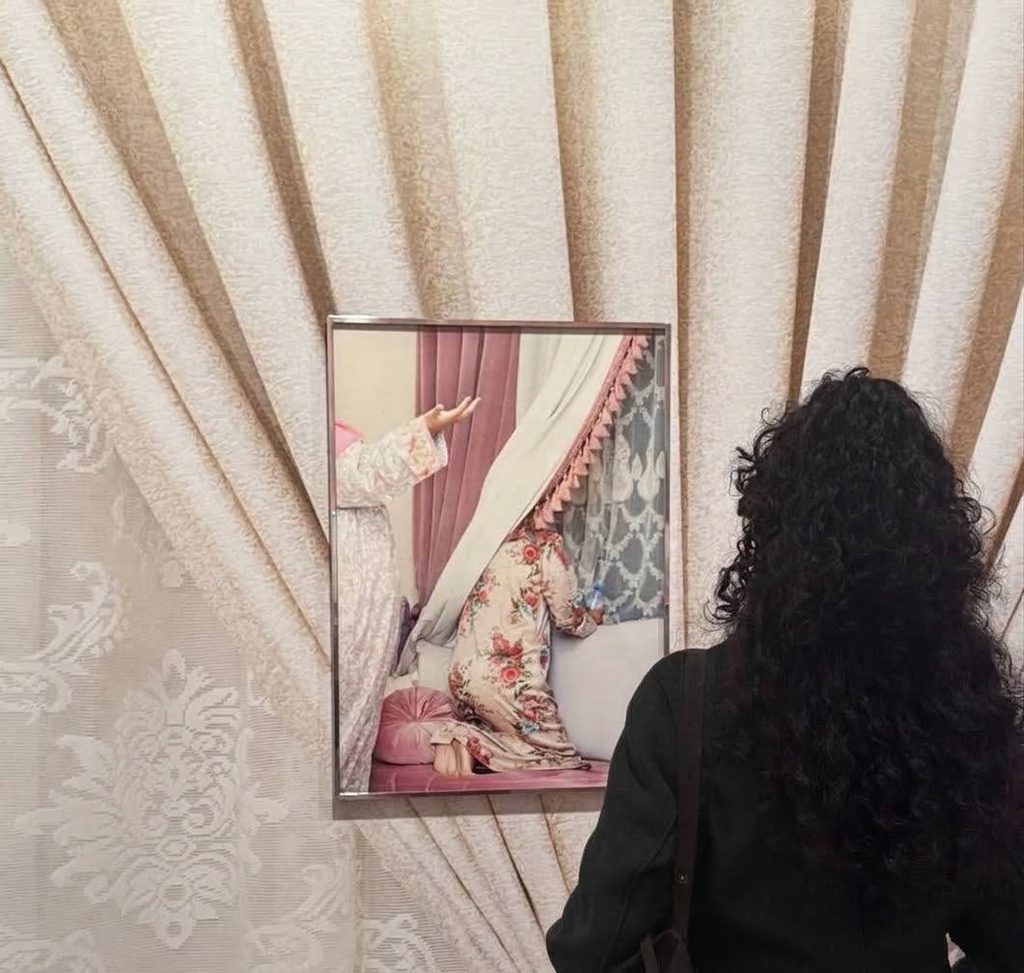
تسائلت طويلا, عن هذا الذي يشكل هويتنا.. عن الرابط العجيب بين ما نقوله و ما نراه، و عن العلامات الدالة التي تجعلنا نعرف ان هذه المرأة تنتمي الى ذلك المكان و هي جامدة في صورة .. مثلا: لو كانت المدينة بلا اسم, و لا عنوان, و لا تعرف في اي دولة انت.. يكفي ان تدخل بيتا فيها لتعرف. قد تدخل إلى صورة فتجد نفسك أمام غرفة في بلد ما، ثم تكتشف فيها تفصيلًا يأخذك إلى مكان آخر. قطعة أثاث، ملابس أو نمط زخرفي. شيء ما يجعلك تتساءل: لمن ينتمي هذا المكان؟ لمن ينتمي البيت عندما تتغير الأشياء التي فيه؟
هذه اسئلة جميلة.. لكن السؤال في رأسي كان مختلفاً : هل بقي الامر كذلك؟ هل مازالت أماكننا تدل على هويتنا ام على هويات اخرى؟ و ماذا يحدث للذاكرة حين يزورها ضيف اخر؟ المجتمعات المختلفة التي بدأت تنمو و تتداخل في ارض واحدة ماذا تشكل؟ الصور التي رسمتها حركة العالم المستمرة، بداية من الترحال و وصولا الى العالم الرقمي الذي جعل المسافة للدخول من غرفة في الوطن العربي الى غرفة في اوروبا نقرة زر. بل ان هناك موقع ويب غريب يتيح لك التحديق من نافذة اي بيت تريده في اي مكان في العالم, كما لو كان العالم كله جيران..!
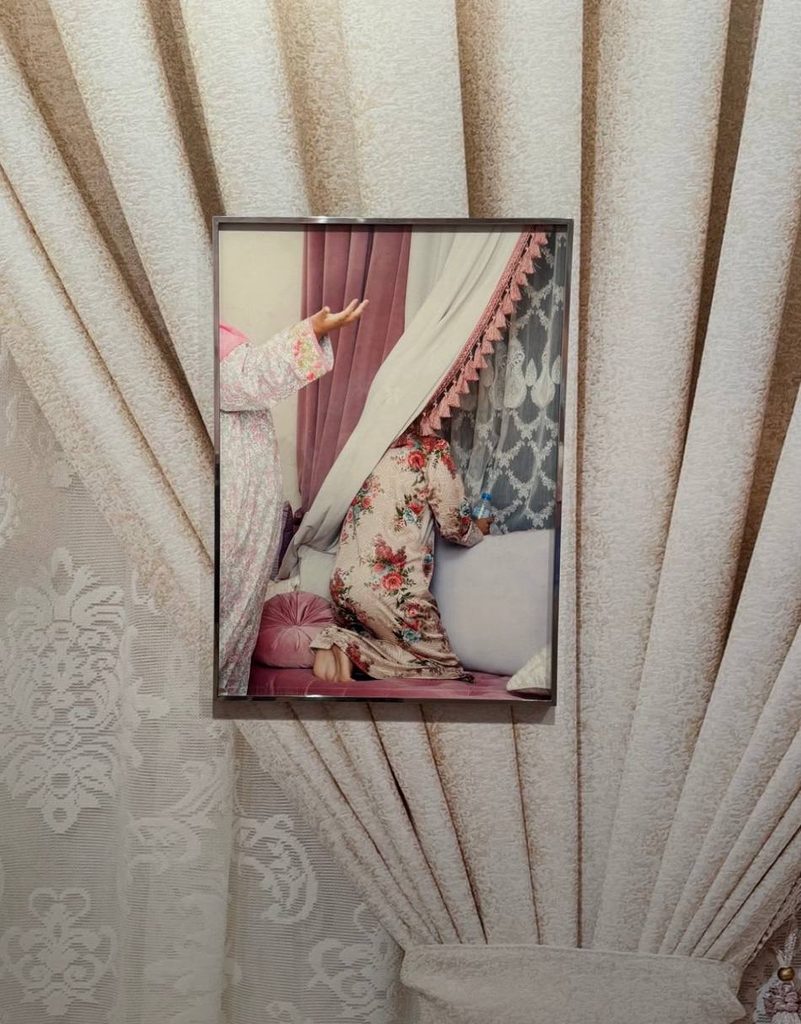
كانت الصورة من اعمال الفنانة ( فرح القاسمي ) و هي فوتوغرافيا ملونة. عُرضت الاعمال في غرفة كاملة في المعرض، بديكور يجعلك تشعر انك وصلت الى البيت. كانت تلك اللوحة بالنسبة لي لحظة واقفة .. تلك اللحظة التي تسبق هذه الاسئلة و تسبق هذه المداخلات. و هنا تصبح مسئلة الاخر الجديد اكثر تعقيدا, حتى يصبح من الصعب رسم خط واضح بين ما كان لنا و ما جاء الينا و ما سرنا نحن في اتجاهه.
ما أعجبني في أعمال فرح القاسمي أنها لا تبدو وكأنها تحاول أن تقول: هذا عربي وهذا غريب.” ببساطة, ان لا يصبح البيت مليء بالاشياء لكنه يخلو من القصص، مثل أن نضع المقتنيات القديمة في زاوية التراث بينما نعيش بقية البيت وكأن تلك الأشياء لا علاقة لها بنا.
هذا ما يجعل البيت و المكان و تسريحة الشعر نمط ثقافي نحمله معنا، و قد تحتاج هذه الأنماط في مرحلة ما الى صورة فوتغرافية و لوحة لأننا قد نفقدها في الطريق, او تتغير دون ان نلاحظ.. مثلما تحدق لصورة جدك و تعرف يقينا ان شيء ما قد تغير تماما و ربما للابد.
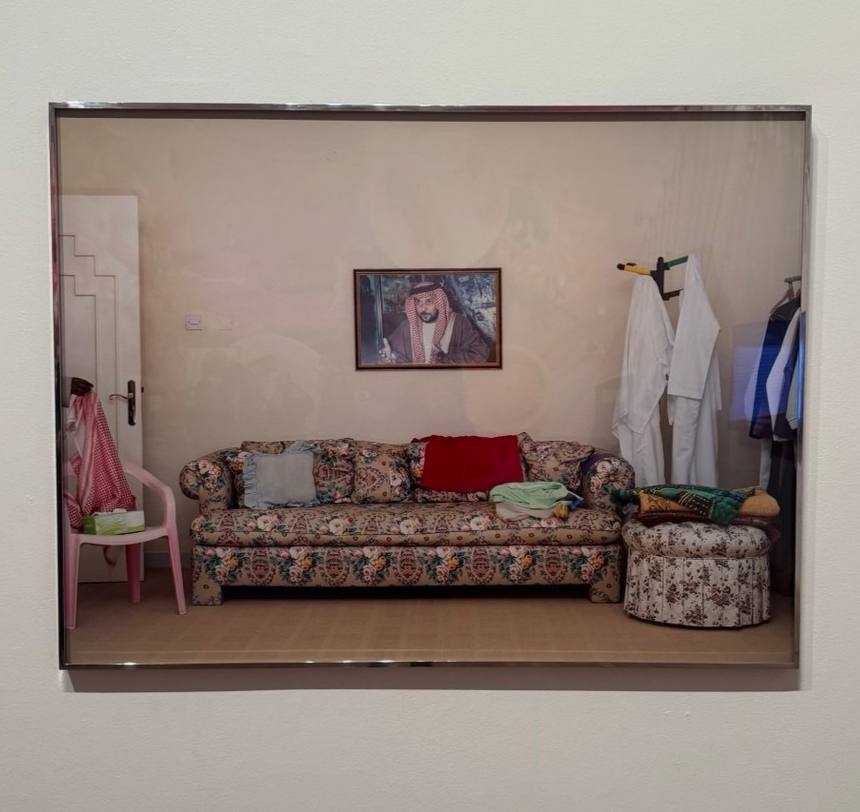
لهذا قد لا يكون السؤال: كيف نحافظ على البيت او ماذا بقي منه؟ بل: كيف نجعل البيت قادرًا على تذكر نفسه بينما يتغير العالم من حوله؟ ان لا نفترض أن الهوية شيء يجب حمايته خلف جدار. بل هي ما نشاركه و ما نعبر عنه.. شيئ حي؛ شيئًا يمكن أن يتغير دون أن يفقد.
وفي النهاية اعتقد ان هذه اللوحة اعقد من خطاب الحفاظ على التراث، فربما لا تكون مهمة الفن أن يخبرنا لمن ينتمي البيت. ربما مهمته أن يجعلنا ننظر إليه طويلًا، حتى نشعر أننا داخله و لو كنا في لندن. كما كانت المرأة في فوتغراف فرح القاسمي و اختها التي تركتها في بغداد و تلك التي تحدثنا عنها انا و كاثرين في اليونان.
كتابة: سما حسين
المعرض : فرح القاسمي : فنانة اماراتية – تيت مودرن – لندن – ٢٠٢٥
للمزيد : https://www.tate.org.uk/art/artists/farah-al-qasimi-30544
في الصورة كاثرين ديفدسون : كاتبة و أستاذة الكتابة الإبداعية في جامعة ريجينتس – لندن | للمزيد يرجى زيارة مدونتها الشخصية :
: https://www.catherinetemmadavidson.org/
English
Farah Al Qasimi: Whose House Is This? | London
On a grey London morning, Catherine, who played the role of my remarkable cultural guide that day, took me wandering through London on my first day there. I was lucky that she did not merely point out the Tower of London and Shakespeare’s theatre, but told me the folk tales and histories behind every building and street, as though I were walking alongside a living film. In return, I was telling Catherine the story of a woman I had begun writing about, and had fled from to Britain. And of course, when you tell the story of a woman, anywhere in the world, you will find another woman beside you, who knows another woman with the same fate. Catherine spoke, in turn, about a novel she had written about three generations of Greek women in the 1980s. Stories like threads that had begun to intertwine, slowly gathering into one ball, one shape
We arrived at Tate Modern and agreed to take a quick walk through the galleries. A few minutes later, Catherine stopped in front of a photograph of an Arab girl and said, delightedly: “Here we are. We have found the woman we were talking about!” I was struck by the image. Among dozens of works on display, by chance, we had found the character I had told Catherine about only minutes before entering the gallery. The very same woman.. her hair, her dress, the décor of her room. I had gone into such detail when describing her to Catherine that she was able to imagine exactly what I meant the moment she saw the photograph hanging on the wall. Catherine said, “I’ll take a picture of you with her. Perhaps you will need it someday
That photograph with her felt like the moment when you finally find the shape that fits a word. I did not know how to describe the feeling of finding before you a photograph of a character you had believed existed only in your own head
I wondered for a long time about what it is that shapes our identity ? about the strange connection between what we say and what we see, and about the signs that allow us to recognise that this woman belongs to somewhere, even while she is frozen inside a photograph. For example: if a city had no name, no address, and you did not know which country you were in, it would be enough to step inside one of its houses to know. You may enter a photograph and find yourself looking at a room in one country, only to discover within it a detail that carries you somewhere else. A piece of furniture, clothing, a decorative pattern. Something that makes you wonder: who does this place belong to? Who does a house belong to when the things inside it begin to change
These are beautiful questions. But the question in my mind was different: is it still the same? Do our places still tell who we are, or do they speak of other identities? And what happens to memory when another guest comes to visit it? What do different communities, growing and intertwining on the same land, become? The images shaped by the world’s constant movement, beginning with travel and migration and arriving at the digital world, have made the distance between a room in the Arab world and a room in Europe no more than the click of a button. There is even a strange website that allows you to gaze through the window of almost any house you choose, anywhere in the world, as though the whole world were made of neighbours
The photograph was one of the works of the artist (Farah Al Qasimi), a colour photograph. Her works were displayed across an entire room in the exhibition, with a setting that made you feel as though you had arrived inside a home. For me, that photograph was a moment held still .. the moment before this question, and before this intervention. And here, the question of the new other becomes more complicated, until it becomes difficult to draw a clear line between what was ours, what came to us, and what we ourselves moved towards
What I liked about Farah Al Qasimi’s photographs is that they do not seem to be trying to tell us: this is Arab, and this is foreign.Simply, that the house should not become full of things while becoming empty of stories. Like placing old things in a corner called heritage, while living in the rest of the house as though those things had nothing to do with us. And this is what makes the house, the place, and even a hairstyle a cultural pattern that we carry with us. At some point, these patterns may need a photograph, and a painting, because we may lose them along the way, or they may change without us noticing, like staring at a photograph of your grandfather and knowing, with certainty, that something has changed completely, perhaps forever
Perhaps, then, the question is not: how do we hold on to the house, or to what remains of it ? But: how do we make the house capable of remembering itself while the world around it changes? To not assume that identity is something that must be protected behind a wall. Rather, it is what we share and what we express. something alive; something that can change without being lost
In the end, I believe this photograph is more complicated than a discourse about heritage,Perhaps art is not about telling us who the house belongs to, Perhaps art is about making us look at it for a long time, until we feel that we are inside it, even if we are in London
Just as the woman in Farah Al Qasimi’s photograph, her sister whom I left behind in Baghdad, and the one Catherine and I had been talking about in Greece
by : sama Hussein
In the photograph: Catherine Davidson, writer and Creative Writing lecturer at Regent’s University London
: https://www.catherinetemmadavidson.org/